Monday, 26 September 2011

Chimpanzees

Humans and chimpanzees share more than 98% of the genetic code.

This can be easily perceived in chimps behaviors, which are very similar to ours. Within less than a minute, they can be:

Attentive

Edgy
Reflexive
Nostalgic

And they are very curious as well.


And that’s the reality of a safari in Africa

Wearing the most modern gear, having the latest SLR and binoculars, competing for space and for the best spot to see animals, tourists can be a bit of a show in themselves. At times, tourists definitively outnumber wildlife. And as per how they / we look I leave it for you to judge…

Kibale Forest National Park
Queen Elizabeth National Park

Monday, 5 September 2011

Photography commission for the Red Cross in the Horn of Africa

I was commissioned by the IFRC (International Federation of the Red Cross), Swedish Red Cross and British Red Cross to photograph their East Africa Food Crisis response programmes in Turkana, north Kenya.

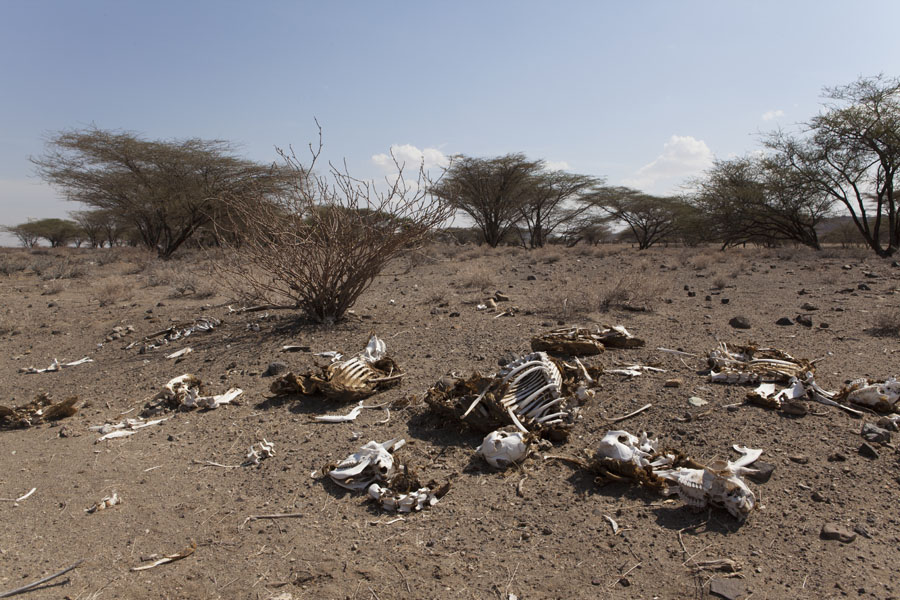
Djibouti, Ethiopia, Kenya and Somalia are the countries most affected by the severe drought in East Africa. According to OCHA more than 11 million people are in need of humanitarian assistance.

At the end of May 2011 the Kenyan Government declared the ongoing draught a national disaster. Water scarcity, crop failure, reduced pasture, livestock mortality, skipping meals, increased malnutrition among the young, and competition for scarce resources, including armed conflict, illustrate some of the difficulties people are facing to fulfill their basic needs in Kenya.

The Kenyan Red Cross has been implementing emergency activities such as provision of relief food and water to the most vulnerable groups (children, women, elderly). At the same time, it is working with communities to build their resilience to future disasters, including provision of clean water, good hygiene and sanitation, health services and the introduction of ‘dry-seeds’.

For this commission I photographed Red Cross programmes in Turkana, a large region in the North of Kenya covering 77,000 km2. Turkana is a very poor region, severely affected by the draught and with almost 1/3 of its 850,000 population highly dependent on food aid.

Kanyang, a severely malnourished child, living in Turkana, Kenya

One of Red Cross focuses in Kenya is on nutritional interventions. A government survey in June 2011 showed that North Turkana had the highest malnutrition rate in the country: 37.4% of children under 5 were malnourished (9.4% were severely malnourished). According to the WHO, the threshold for an emergency is 15%.


Kanyang is 9 years old, despite looking 4 years old. He was extremely emaciated 6-weeks ago. His grandmother brought him to a stabilisation centre in Kaikor village.

This centre, built by the Red Cross as a maternity ward, gives therapeutic food to severely malnourished children.

The lack of nutrition has hampered Kanyang’s development, but he has survived and people who have seen him 6 weeks ago said that it is great news that he can now walk around. Without running the risk of exaggeration, he was given his life back.

Kenya Red Cross stabilisation centre, Kaikor, Turkana, Kenya


Nancy Owwengu with a 3-month old triplet

Nakinomet village, Turkana, Kenya

Primary school children in Nakinomet village are playing after having received their Unimix for the day.


Lokomarinyang mobile clinic, Turkana, Kenya

The Red Cross mobile clinic visits each village every two weeks and provides medical care to thousands of Turkana people. Pharmacist Robert Esekon advises and distributes medicine to Turkana women at Lokomarinyang mobile clinic.


Nakuwa, 22 years old, 1 child


Turkana woman

The best word to describe Turkana people is pastoralist. They have their own language and culture, similar only to Karamoja in Uganda. Life for a Turkana woman is tough. They are the ones who build houses, cook, fetch water (some of them need to walk 10km per day), look after children, while the men are out herding the livestock or, as I heard from many of them, ‘sleeping under a tree all day’. Even though our interaction was limited due to language barrier and I often talked to them using sign language, I totally sensed their strong dignity and the fact that they know what they want and can express it very vividly.

Mooru Ngitera, 28 years old, 2 children

Awdo Lokeny, 39 years old, 7 children


Nabalangti and Liwan

Food distribution, Lokomarinyang village, Turkana, Kenya


After being assessed children and women receive Unimix (corn, soy, sugar) and food supplements.